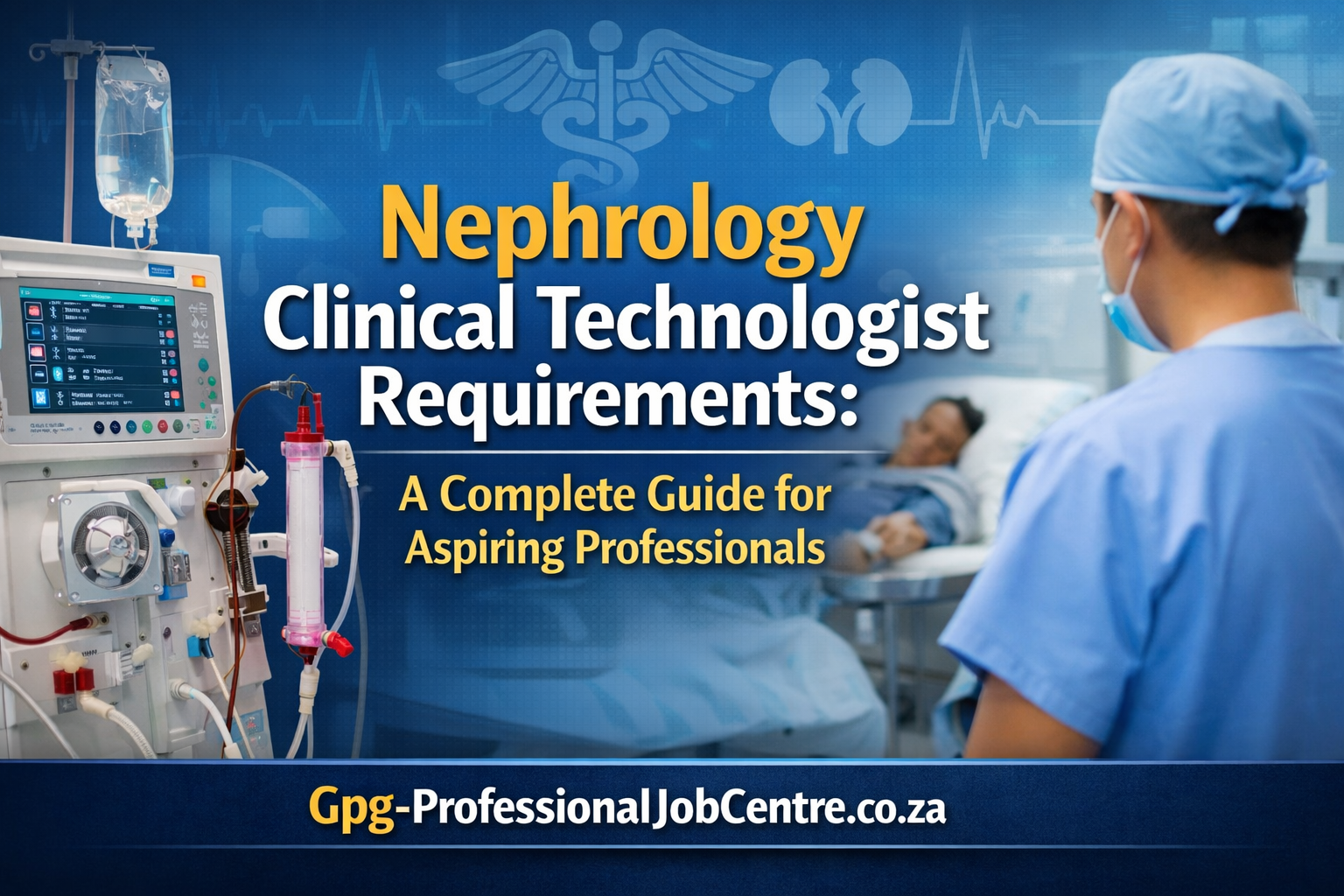
Nephrology Clinical Technologist Requirements: A Complete Guide for Aspiring Professionals
The role of a Nephrology Clinical Technologist is critical in providing care for patients with kidney-related conditions. Nephrology Clinical Technologist Requirements: A Complete Guide for Aspiring Professionals. These professionals work alongside nephrologists, nurses, and other healthcare specialists to perform diagnostic tests, monitor treatments, and ensure optimal patient outcomes. If you are considering a career in this field, understanding the educational, certification, and practical requirements is essential to prepare effectively.
Table of Contents
- Overview of a Nephrology Clinical Technologist
- Educational Requirements
- Certifications and Licenses
- Skills and Competencies
- Typical Job Responsibilities
- Work Environment
- Career Path and Advancement
- Salary and Job Outlook
- Application Tips and Preparation
- Call to Action
Overview of a Nephrology Clinical Technologist
A Nephrology Clinical Technologist is a healthcare professional who specializes in the diagnosis, monitoring, and treatment of kidney diseases. Nephrology Clinical Technologist Requirements: A Complete Guide for Aspiring Professionals. They work closely with nephrologists to manage dialysis treatments, perform lab tests, and support patients with chronic kidney disease or acute renal conditions.
These professionals play a key role in patient care, research, and healthcare technology management, making the position both highly specialized and rewarding.
Educational Requirements
To become a nephrology clinical technologist, candidates must complete specific educational paths:
- High School Diploma: Strong foundation in biology, chemistry, and mathematics.
- Undergraduate Degree: A Bachelor’s degree in Medical Technology, Clinical Laboratory Science, or a related healthcare field.
- Specialized Training: Courses in renal physiology, hemodialysis, peritoneal dialysis, and renal pharmacology.
- Clinical Practicum: Hands-on experience in hospital nephrology units or dialysis centers.
Some institutions may offer postgraduate diplomas or certifications focused on nephrology clinical technology to enhance expertise.
Certifications and Licenses
Certification is often required to practice as a nephrology clinical technologist. Key certifications include:
- Registered Clinical Technologist (RCT) License: Required in many regions to legally perform patient diagnostics and treatment.
- Board Certification: Some candidates pursue national or regional board exams specific to nephrology or renal care.
- CPR and Basic Life Support (BLS): Essential for patient safety in clinical settings.
Maintaining certification typically involves continuing education to stay updated on advances in nephrology and clinical technology.
Skills and Competencies
A successful nephrology clinical technologist combines technical expertise with strong interpersonal skills:
- Technical Skills: Operation of dialysis machines, lab equipment, and patient monitoring tools.
- Analytical Skills: Ability to interpret lab results and identify anomalies.
- Communication Skills: Clear interaction with patients, families, and healthcare teams.
- Attention to Detail: Accurate documentation and adherence to treatment protocols.
- Problem-Solving: Responding to emergencies or unexpected treatment complications.
Typical Job Responsibilities
Nephrology clinical technologists perform a wide range of duties in both hospital and outpatient settings:
- Conducting hemodialysis and peritoneal dialysis treatments.
- Monitoring vital signs and lab results during dialysis sessions.
- Maintaining medical equipment and ensuring compliance with safety standards.
- Assisting in renal biopsies, lab tests, and diagnostic procedures.
- Educating patients on dialysis procedures, lifestyle adjustments, and nutrition.
Work Environment
These professionals work in:
- Hospitals: Nephrology wards, dialysis units, and outpatient clinics.
- Dialysis Centers: Independent centers or private healthcare facilities.
- Research Laboratories: Contributing to clinical trials and renal studies.
Work schedules can include shifts, weekends, or on-call duties, depending on patient needs and facility operations.
Career Path and Advancement
The nephrology clinical technologist career path offers growth through experience and advanced qualifications:
- Entry-Level Positions: Assist senior technologists or nephrologists in routine patient care.
- Specialized Roles: Focus on pediatric nephrology, renal transplant, or dialysis management.
- Advanced Positions: Supervisor, clinical educator, or research coordinator in nephrology units.
Continuous education, certifications, and specialized training can accelerate career advancement.
Salary and Job Outlook
The demand for skilled nephrology clinical technologists is increasing due to:
- Rising incidence of kidney diseases and diabetes-related renal issues.
- Expansion of dialysis centers and outpatient renal clinics.
- Advances in renal healthcare technology.
Average salaries vary by country and facility, but professionals with certification and experience typically see competitive compensation.
Application Tips and Preparation
To successfully enter the field:
- Focus on Relevant Education: Prioritize degrees and courses that align with nephrology technology.
- Gain Practical Experience: Complete internships or clinical rotations in renal units.
- Prepare for Certification: Review exam content and maintain continuing education credits.
- Highlight Skills: Emphasize technical proficiency, patient care experience, and problem-solving in applications and resumes.
Call to Action
If you are committed to improving patient outcomes and advancing your career in renal healthcare, start by pursuing the necessary education, certifications, and hands-on experience.
Prepare now to become a skilled nephrology clinical technologist, and join a growing field that combines science, technology, and compassionate patient care.
Requirements to Become a Nephrology Clinical Technologist in 2026
Learn the educational paths, certifications, skills, and career opportunities required to become a nephrology clinical technologist. Nephrology Clinical Technologist Requirements: A Complete Guide for Aspiring Professionals. This guide provides actionable insights for aspiring professionals in renal healthcare.
Leave a Reply